
WELCOME BONUS 300%
UP TO €2000 + 100
FREE SPINS
UP TO €2000 + 100
FREE SPINS
Home → Blackjack
Blackjack at Lucky Ones Casino: Variants, Rules and Payouts
Surrender vs Playing Out on 16 vs 10
Blackjack Surrender (Late Surrender) allows a player to forfeit half the stake after the dealer checks for blackjack. This rule reduces the house edge by approximately 0.08 percentage points compared to standard play without surrender options available at many tables. The payout is strictly 50% of the original bet, meaning the player retains half their capital instead of losing it entirely on a likely losing hand.
Early surrender offers a significantly larger advantage of up to -0.6 percentage points but is extremely rare in modern online casino environments and usually unavailable. Late surrender only activates after the dealer confirms they do not hold an ace or ten-value card as their hole card, protecting against immediate losses. This specific timing constraint makes late surrender less valuable than its early counterpart but still superior to playing out weak hands like 16 against a dealer 10.
Standard strategy dictates surrendering hard 16 against dealer 10 because playing out results in a higher expected loss over the long run. Without this rule, the house edge increases, forcing players to accept greater variance and potential bankroll depletion during extended gaming sessions. The mathematical benefit of 0.08 percent adds up significantly over thousands of hands, preserving more funds for future gameplay opportunities.
Double Down after Split (DAS) improves the RTP by approximately 0.14 percentage points when allowed on specific table configurations. This rule permits doubling the wager after splitting pairs, providing additional opportunities to capitalize on favorable two-card totals against weak dealer upcards. Players utilizing optimal strategy can extract more value from split hands when DAS is permitted versus restricted single-deck variations.
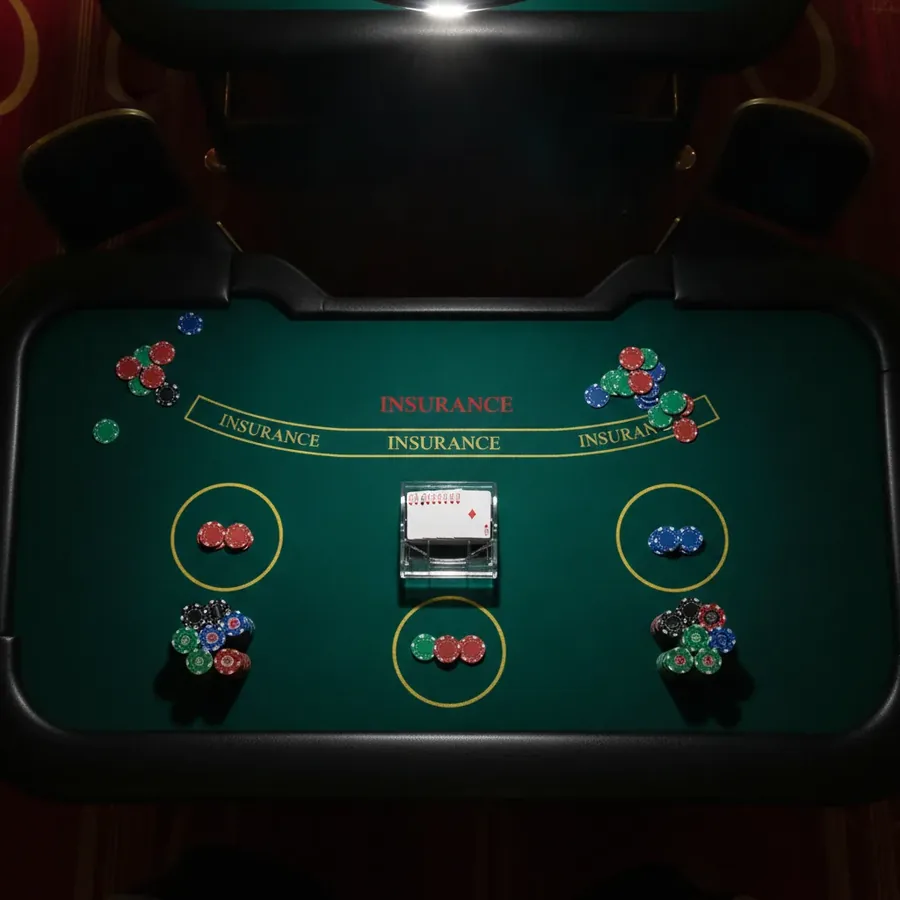
Card Counting at Shuffle Master Table: why it fails
The Blackjack Liberal Vegas Strip variant utilizes liberal rules with a 3:2 payout, achieving an RTP of 99.72% and a house edge of only 0.28%. This low advantage relies on specific conditions like S17 and late surrender to maintain statistical fairness for the player over long sessions. Consequently, card counting becomes theoretically viable here, yet practical application is severely hindered by frequent shuffling mechanisms that reset the deck composition.
In contrast, the single-deck version offers a superior 99.85% RTP and a minimal 0.15% house edge due to fewer cards in play. However, this mathematical advantage is often neutralized by a 6:5 blackjack payout structure, which adds 1.39% to the house advantage instantly. Players attempting to track cards must account for these altered payout ratios, as the reduced return significantly impacts potential winnings despite the favorable base odds.
Shoe, Cut Card, and 75 Percent Penetration
Lightning Blackjack from Evolution allows unlimited players with stakes ranging from 1 EUR to 2,500 EUR, featuring multipliers up to 25x on winning hands. The game maintains a high RTP of 99.56%, but the dynamic nature of lightning strikes introduces volatility that standard penetration metrics cannot fully capture. This setup prioritizes excitement over deep strategic play, making traditional shoe tracking methods largely irrelevant for most participants seeking consistent returns.
Chose Wrong Table for 5 EUR Bankroll
Blackjack Auszahlung 6:5 statt 3:2 (6 Decks) features a house edge of 1.85%, which drastically reduces the viability of a small bankroll. The RTP sits at 98.15%, significantly lower than standard 3:2 tables, meaning the casino retains a larger portion of every wager over time. A $10 bet yields only $12 instead of $15, accelerating bankroll depletion during inevitable losing streaks. Players with limited funds must avoid these tables to preserve their capital for longer sessions.
Lightning Blackjack from Evolution offers a high-limit environment with bets ranging from 1 to 2,500 EUR, far exceeding a modest 5 EUR budget. This table provides an RTP of 99.56%, but the Lightning multipliers up to 25x introduce high volatility that can wipe out small balances quickly. Unrestricted player counts mean faster game cycles, requiring constant action that drains a tiny stack without sufficient cushion against variance.
Quantum Blackjack Plus Live by Playtech allows wagers between 1 and 5,000 EUR, presenting another mismatch for players attempting to manage a 5 EUR roll. With an RTP of 99.57% under optimal strategy, the base game is fair, yet the quantum multipliers on three-card combos create extreme swings. Such high-stakes environments are unsuitable for micro-bankrolls, as even minor downswings will result in immediate bust due to insufficient funds.
Insurance Pays 2:1 Yet Still Costs Money
Blackjack Insurance / Versicherung (6–8 Decks) pays 2:1 when the dealer shows an Ace, enticing players to hedge their main bet against a potential dealer blackjack. However, this side bet carries a house edge of 7.47% and an RTP of only 92.53%, making it one of the worst wagers available. Basic strategy mandates always rejecting insurance unless counting cards reaches a true count of +3 or higher, ensuring long-term profitability.
The cost of taking insurance becomes apparent when comparing its 7.47% house edge to the standard game advantage, which typically hovers around 0.46% with optimal play. By accepting insurance, players effectively surrender a significant portion of their expected value, turning a favorable situation into a negative expectation scenario. This mathematical disadvantage persists regardless of short-term luck, guaranteeing erosion of the bankroll over hundreds of hands played.
For a single-deck game, the insurance advantage shifts slightly to approximately 5.88%, but it remains substantially higher than the core game's edge. Players often misunderstand the 2:1 payout as fair compensation, ignoring the probability that the dealer holds a ten-value card only roughly 30% of the time. Consequently, consistent insurance betting leads to substantial losses, reinforcing the need to strictly adhere to basic strategy rules regarding this side bet.
Blackjack variants at a glance
| Variant | Payout | House edge | Rule | Bet range |
|---|---|---|---|---|
| Blackjack Insurance / Versicherung (6–8 Decks) | 92.53% | 7.47% | Separate Nebenwette bis 50% der Hauptwette, wenn der Dealer ein Ass hat. Basisstrategie schreibt IMMER Ablehnung vor (außer Karten zählen bei True Count ≥ +3). Bei einem Deck Vorteil ≈ 5.88% | Insurance 2:1 |
| Blackjack Surrender (Late Surrender) – Regel-Effekt | n.a. (Regel-Modifikator) | −0.08 Prozentpunkte | Spieler gibt Hand nach Dealer-Blackjack-Prüfung auf, verliert die Hälfte des Einsatzes. Verbessert RTP um ca. 0.08 Prozentpunkte. Early Surrender ist wesentlich wertvoller (bis −0.6 Prozentpunkte), aber extrem selten. | Rückzahlung 50% des Einsatzes |
| Blackjack Split / Double / H17 – Regel-Effekte | n.a. (Regel-Modifikatoren) | H17 +0.22 Prozentpunkte; RSA −0.08 Prozentpunkte; DAS −0.14 Prozentpunkte | Dealer Hits Soft 17 verschlechtert RTP um 0.22 Prozentpunkte; Resplit Aces verbessert um 0.08 Prozentpunkte; Double After Split verbessert um ca. 0.14 Prozentpunkte; 6 Decks statt 8 – ca. 0.02 Prozentpunkte. | Double – Einsatz ×2 mit einer Karte; Split – bis 4 Hände; Ass-Split meist mit einer Karte. |
| Blackjack Liberal Vegas Strip (liberale Regeln, 3:2) | 99.72% | 0.28% | Günstigste Regelkombination: S17 + DAS + Resplit + Late Surrender. Standardabweichung 1,15 | Blackjack 3:2, Gewinn 1:1 |
| Blackjack 6 Decks, S17, DAS, DOA, Auszahlung 3:2, Basisstrategie | 99.54% | 0.46% | Dealer steht auf Soft 17; Verdopplung auf jeder Zweierkarte; Verdopplung nach Split erlaubt; keine Aufgabe. Basisstrategie ist für diesen Wert zwingend | Blackjack 3:2, normaler Gewinn 1:1, Insurance 2:1 |
| Blackjack Auszahlung 6:5 statt 3:2 (6 Decks) | 98.15% | 1.85% | Ersatz von 3:2 durch 6:5 fügt exakt +1.39 Prozentpunkte zum Vorteil des Casinos hinzu – stärker als jede andere Regeländerung. Bei $10 Einsatz zahlt Blackjack $12 statt $15. | Blackjack 6:5, Gewinn 1:1 |
Which hands are excluded from Surrender?
Blackjack Surrender (Late Surrender) allows players to forfeit half their bet after the dealer checks for blackjack, improving the RTP by approximately 0.08 percentage points. This rule is only applicable if the dealer does not hold a natural twenty-one, excluding scenarios where the dealer already has a winning hand. Players cannot surrender after deciding to hit or stand, limiting the strategic utility to the initial decision phase before any additional cards are drawn.
In contrast, Early Surrender is significantly more valuable, potentially reducing the house edge by up to 0.6 percentage points, though it is extremely rare in modern casinos. Late surrender restricts the benefit to cases where the dealer lacks an ace or ten-value hole card initially, preventing early exit from unfavorable matchups. This exclusion means players retain full exposure to risk in situations where early exit would have minimized losses most effectively.
The 50% return on surrender contrasts sharply with the total loss incurred by playing out a losing hand, providing a crucial damage-control mechanism for weak starting totals. However, this option is unavailable in many liberal variants like Vegas Strip, which prioritize other rules such as resplitting and double after split instead. Understanding these exclusions helps players select tables that offer the most comprehensive safety nets for preserving their bankroll during tough stretches.
Splitting Eights vs Standing on 16
Blackjack Split / Double / H17 mechanics allow splitting pairs up to four hands, with specific rule modifiers affecting the overall house edge significantly. Resplitting aces improves the RTP by 0.08 percentage points, while doubling after split enhances it by approximately 0.14 percentage points, rewarding aggressive play. These adjustments demonstrate how flexible splitting rules can shift the balance slightly in favor of the player compared to rigid traditional formats.
Standing on a hard sixteen is generally considered a poor outcome, whereas splitting eights transforms a losing position into two potentially winning hands against a dealer upcard. This strategic choice aligns with basic strategy principles that prioritize minimizing expected loss by breaking apart weak combinations rather than risking a bust on the next hit. The mathematical expectation favors splitting because the dealer is likely to bust or finish with a weaker total.
Dealer hits soft seventeen adds 0.22 percentage points to the house edge, creating more opportunities for players to win when splitting eights against higher dealer upcards. This rule change increases the frequency of dealer busts, further validating the decision to split rather than stand on marginal totals like sixteen. Players leveraging these rule advantages can reduce the overall house edge, making splitting eights a mathematically superior move in such environments.
Why Loss Progression Quickly Reaches Table Limit
Infinite Blackjack from Evolution supports bets from 1 to 5,000 EUR with unlimited seats, allowing players to escalate wagers rapidly during losing streaks. The high maximum limit facilitates aggressive progression strategies, but also enables the casino to cap losses for the player once the stake exceeds manageable thresholds. Without strict bankroll management, a series of losses can quickly consume a large portion of the available funds before recovery becomes feasible.
Quantum Blackjack Plus Live also permits wagers up to 5,000 EUR, introducing quantum multipliers that can amplify both wins and losses exponentially. While the RTP of 99.57% suggests fairness, the volatility associated with multipliers means that loss progression can trigger table limits much faster than in standard games. Players relying on martingale systems may find themselves unable to double their bets further, resulting in unrecoverable deficits after hitting the ceiling.
Lightning Blackjack’s 2,500 EUR maximum bet, combined with lightning multipliers up to 25x, creates a high-variance environment where loss accumulation is accelerated. The presence of multiple side bets like Any Pair or Bust It further distracts from the main game, increasing the rate of bankroll erosion. Consequently, progression strategies become unsustainable as the combination of high limits and volatile payouts ensures that losses mount rapidly beyond recovery points.
Contact
Live - online chat
Banking









Providers












Lucky Ones Casino 2026